How to Pick the Correct Commercial Roofing Material for Your Creating


A commercial roof is one of the most significant structural investments a small business can make. Most making homeowners spend between $5 and $15 per sq foot on roofing , with regards to the process selected — and for large features, that figure brings up fast. Knowledge Commercial Roofs for Industrial Buildings from the floor up helps property managers make smarter choices, prevent unwanted costs, and expand living of their building.
How Common Are Commercial Roofing Issues?
According to market information, water intrusion is responsible for more than 70% of all commercial roofing failures. Escapes, combining water, and membrane damage prime the list of described issues each year. These issues are rarely unexpected — they develop slowly, usually planning unseen before the damage becomes extensive and costly.
Regular inspections lower restoration fees by an projected 25–35% around the life span of a roof. That statistic alone makes a solid event for hands-on maintenance.
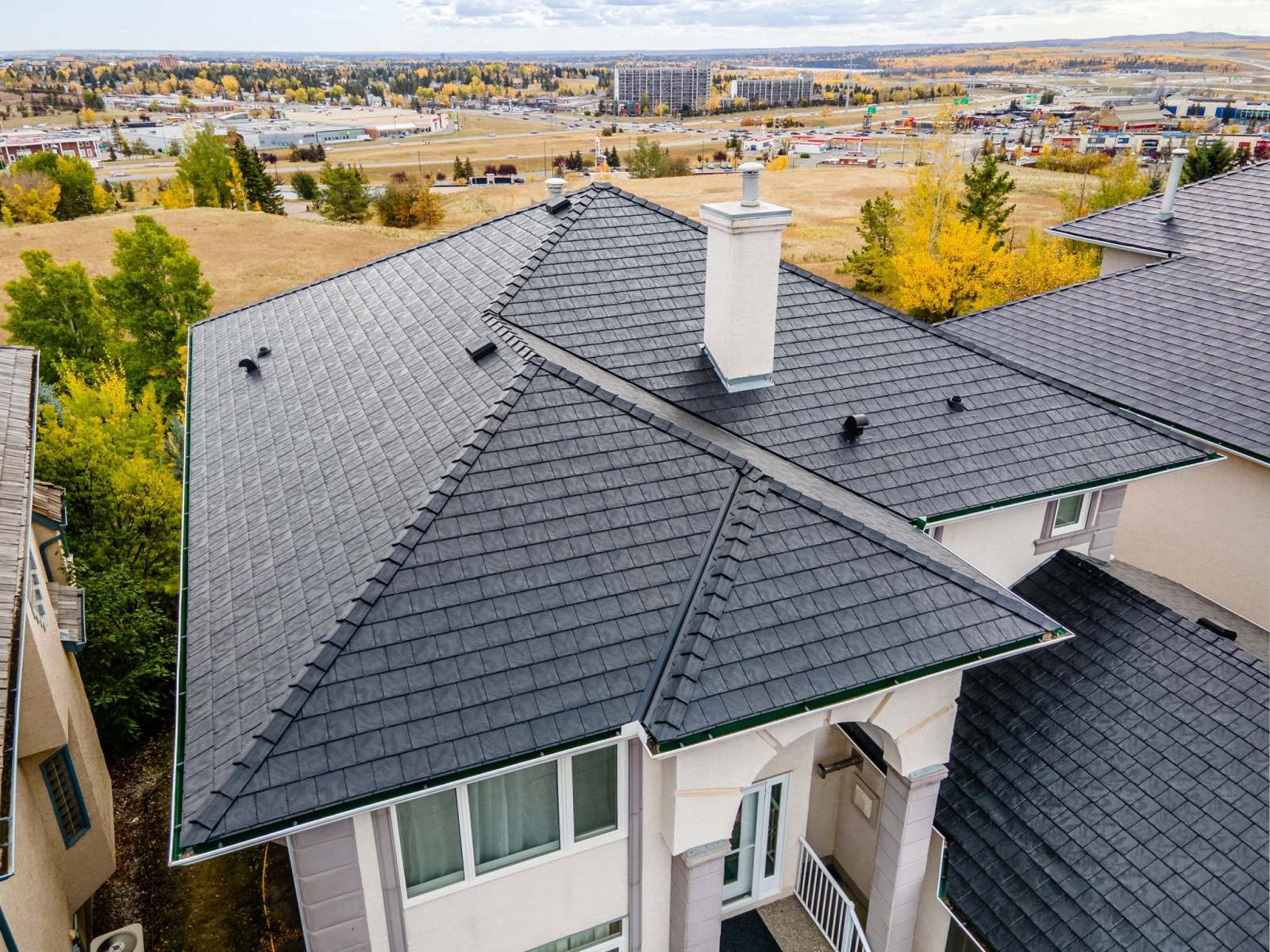
What Types of Commercial Roofing Systems Are Many Widely Used?
Three roofing methods rule the commercial sector nowadays:
TPO (Thermoplastic Polyolefin) — The most installed single-ply membrane in North America. It shows UV rays successfully and performs properly in areas with high heat exposure.
EPDM (Ethylene Propylene Diene Monomer) — A manufactured plastic membrane known for long-term toughness and opposition to serious heat fluctuations.
Revised Bitumen — A strengthened asphalt system that is useful on level and low-slope roofs , specially in high-traffic preservation environments.
Material roofing can also be developing traction for warehouses and industrial features, largely because of its 40–60 year life and recyclability.
How Long Does a Commercial Roof Typically Last?
Lifespan ranges by system. TPO and EPDM walls usually last 20–30 years with proper upkeep. Material roofing methods may exceed 50 years. Built-up roofing (BUR) techniques typically last 15–30 decades depending on installment quality and climate conditions.
Age-related use, hurricane injury, and power inadequacy would be the three many cited reasons for full roof replacement.
Does Commercial Roofing Affect Energy Costs?
Yes — significantly. Reflective roofing products like TPO can lower chilling fees by around 20% in warm climates. Buildings with badly insulated or aging roofs tend to record clearly larger HVAC costs year over year. Energy-efficient roofing is no further reasonably limited choice; for several organizations, it is a functional financial decision.
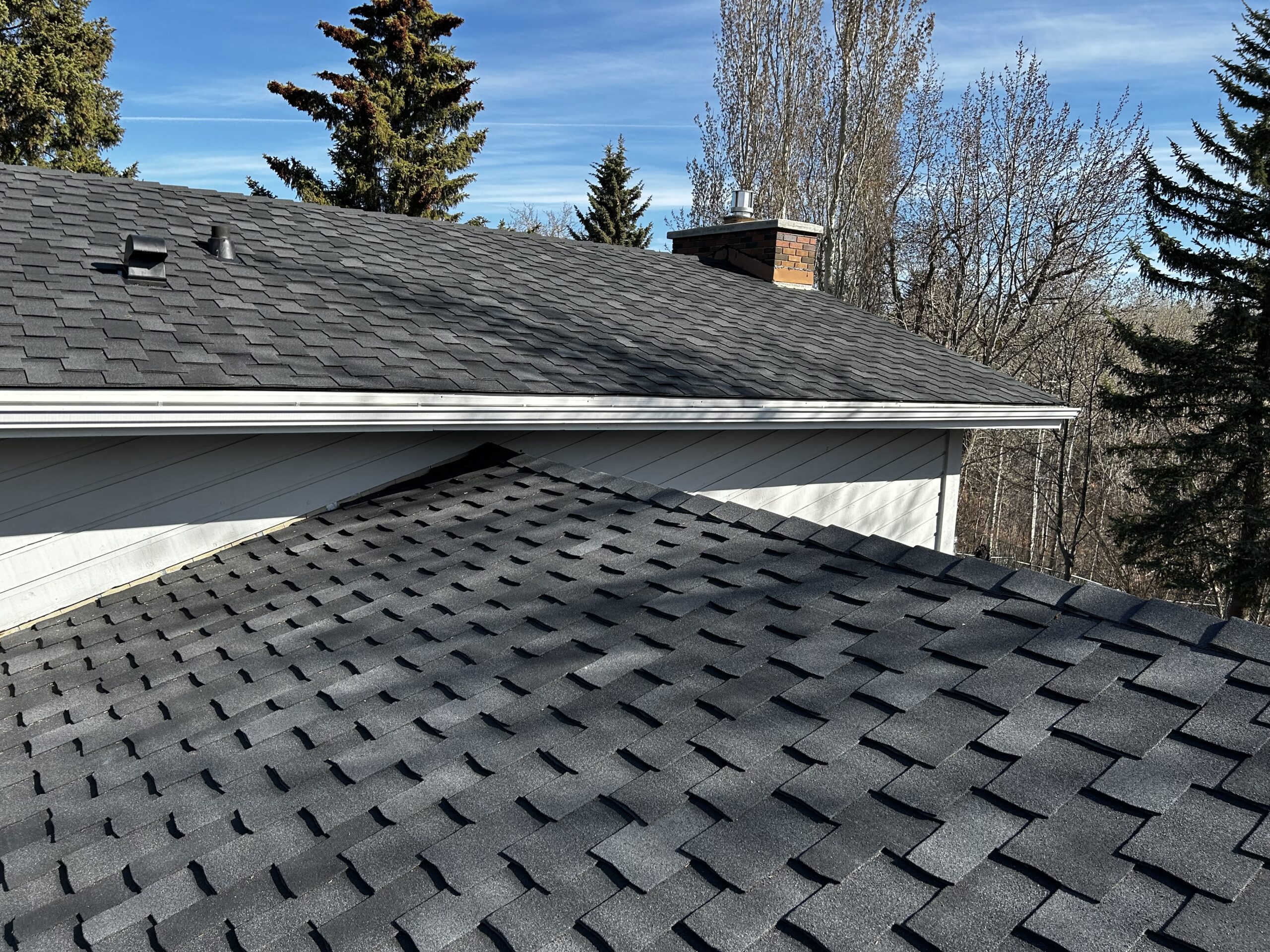
What Maintenance Methods Are Regarded Business Standard?
Many roofing experts recommend:
Bi-annual inspections — on average in spring and fall
Post-storm assessments following hail, large winds, or major rainfall
Dirt elimination to prevent drainage blockage
Seam and blinking checks around HVAC devices, skylights, and ports
Neglecting these steps significantly shortens roof life and escalates the likelihood of interior water damage.
Is It Easier to Fix or Change a Damaged Commercial Roof ?
Repair is the right choice when damage is local and the roof is less than 15 decades old. Alternative becomes more cost-effective when repair costs surpass 25–30% of the sum total alternative charge, or once the roof shows common membrane failure. An authorized roofing contractor can provide an expert condition analysis to guide that decision.