Sloped Roofs : Types , Products & Maintenance Information


Many homeowners give small considered to their roof—until anything goes wrong. Understanding roofing contractors calgary before a problem arises can save yourself thousands of dollars and reduce architectural injury that substances over time. Here's what the information and style axioms reveal about one of the most common roofing programs in residential construction.
How Common Are Sloped Roofs?
Sloped roofs account for a large proportion of residential roofing across North America. Their dominance comes down to 1 primary benefit: gravity-driven water drainage. Unlike flat programs that want built-in drainage infrastructure, sloped roofs reduce water and melting snow naturally—lowering the risk of escapes, ponding water, and structural stress.
Properties with well-maintained sloped roofs also have a tendency to order larger resale prices, because of both curb attraction and long-term functional reliability.
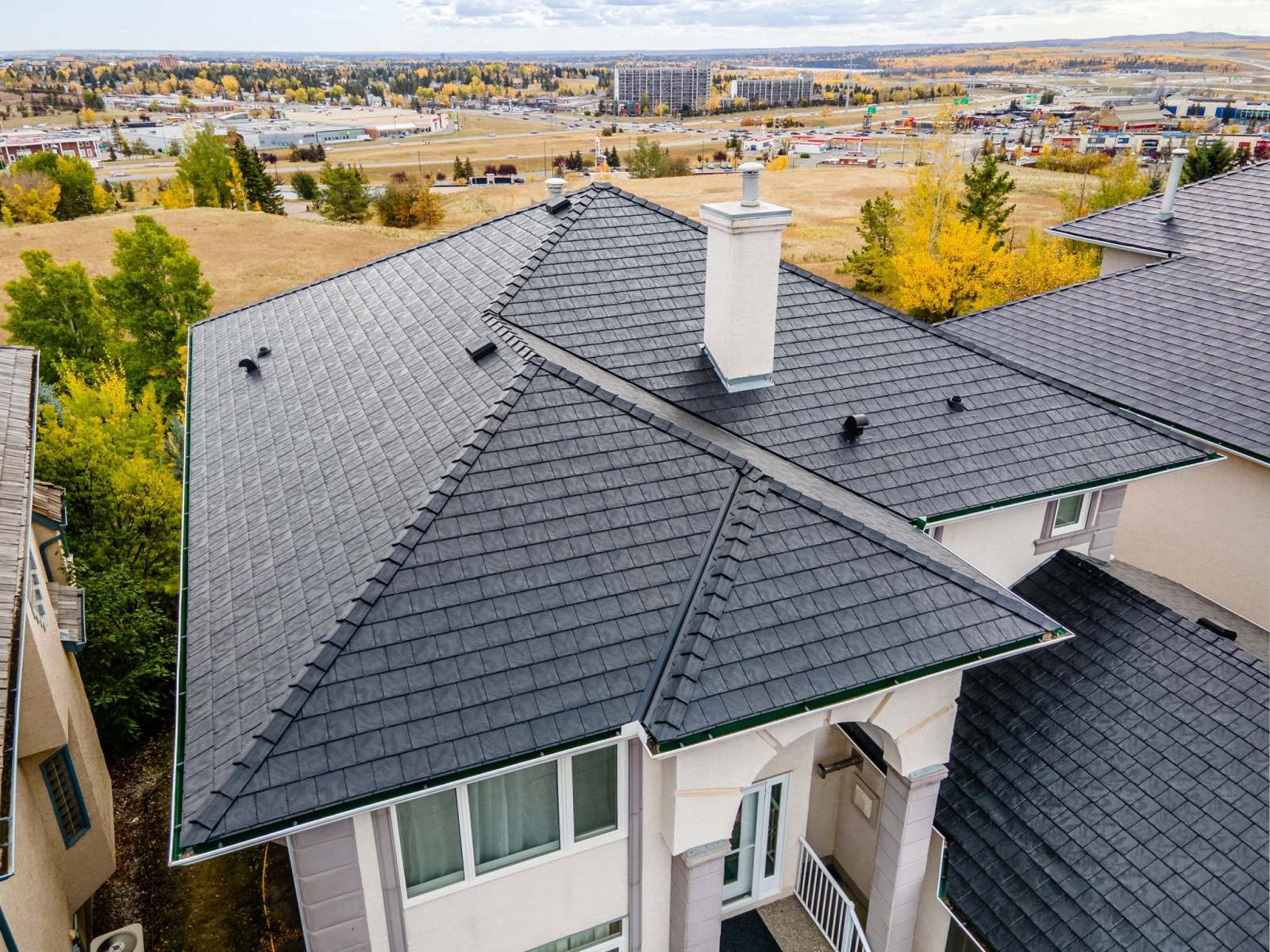
What Types of Sloped Roofs Are Most Common?
You will find five main variations, each suitable for various areas, budgets, and architectural choices:
Gable Roof – The absolute most trusted fashion in North America. Two mountains match at a central shape, making excellent loft ventilation. Cost-effective to build, though it requires appropriate bracing in high-wind regions.
Trendy Roof – All four edges mountain downward to the walls. Remarkable breeze opposition makes that a chosen decision in storm-prone areas.
Gambrel Roof – A two-slope design per side, generally related to barns and colonial homes. The high lower mountain maximizes basement and upper-floor space.
Mansard Roof – A four-sided type with a nearly level upper part, often noticed in French-inspired and historic metropolitan architecture. Produces a full functional floor underneath the roofline.
Reduce Roof – A single sloping surface. The simplest and most inexpensive sloped design to make, and significantly common in modern smart architecture.
How Do Sloped Roof Materials Compare?
Material choice somewhat affects lifespan, price, and preservation requirements. Here's how the most common options build up:
Asphalt shingles stay the most used choice for budget-conscious homeowners. Slate, on one other hand, provides the best lifespan—usually outlasting the making itself when correctly installed.
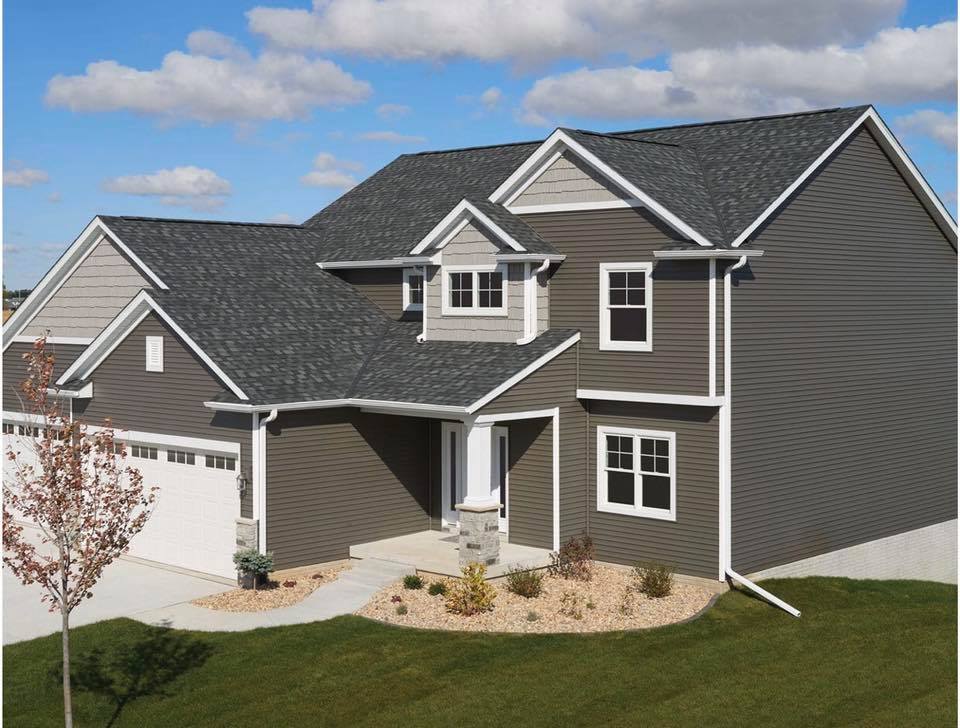
How Often Should a Sloped Roof Be Inspected?
Roofing specialists suggest a complete inspection at least one time every couple of years, with extra checks following major storms. Key maintenance projects include:
Examining tiles for styling, cracking, or lacking sections
Cleaning gutters and downspouts to stop water backup
Examining blinking around chimneys, ports, and skylights
Clearing dirt that traps water against the top
Canceling loft ventilation stays optimal
Getting slight problems early—a cracked shingle, a small sporting gap—consistently shows less expensive than approaching the water damage these dilemmas cause when remaining unaddressed.
Is a Sloped Roof Better Than a Flat Roof for Snow?
Yes. Sloped roofs allow snow to slip off naturally, reducing ice dam formation and avoiding dangerous snow fill accumulation. Steeper pitches—6:12 and above—perform specially properly in major snowfall regions. Material roofing used with a steep pitch presents the most effective snow-shedding mix available.
Final Thought
A sloped roof is not really a structural element—it's a long-term investment in your property's longevity, performance, and value. Selecting the most appropriate design, material, and maintenance routine determines how effectively that investment functions around decades.